From cautionary tale to genuine comeback.
(700 Hours Played)
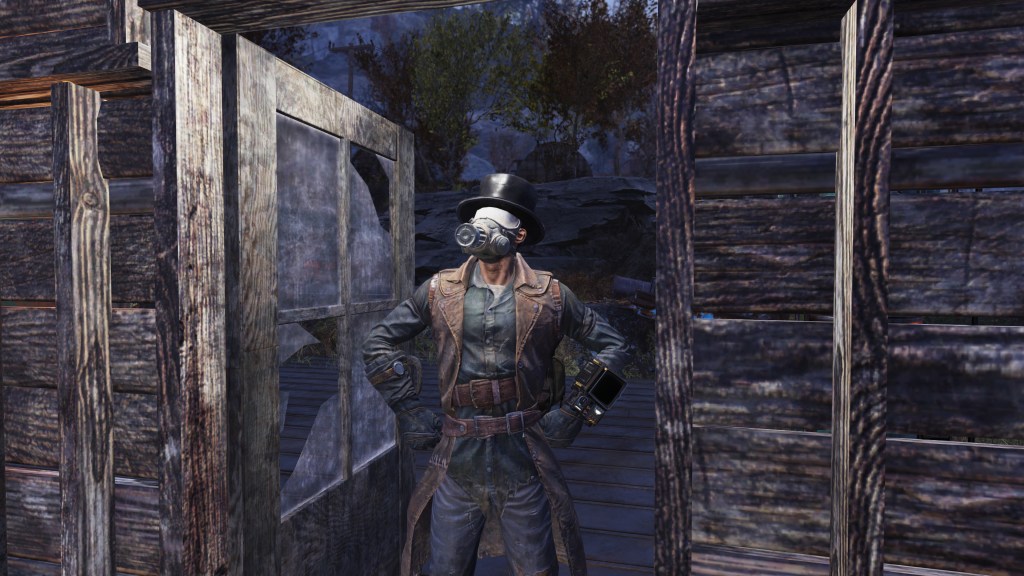
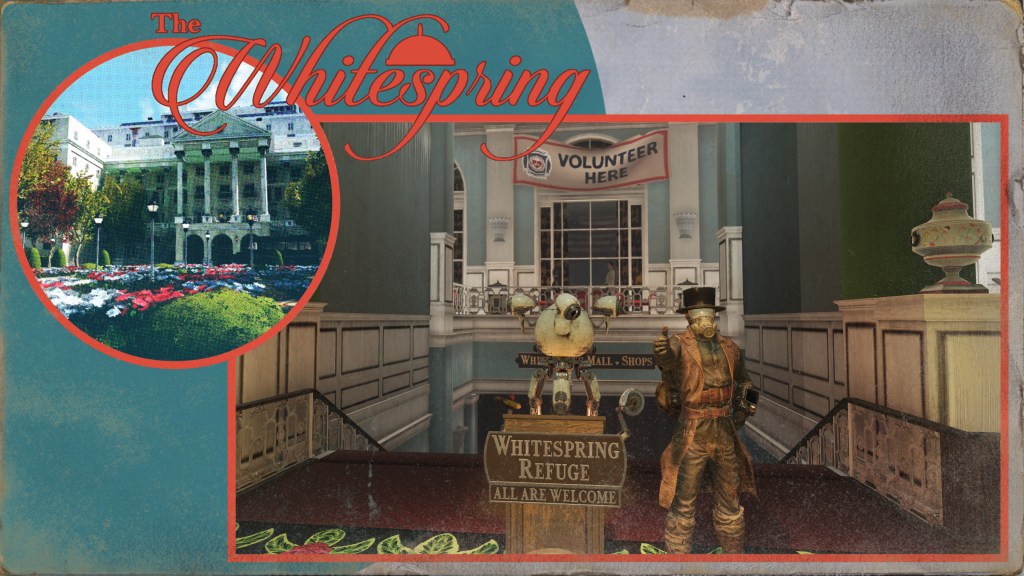
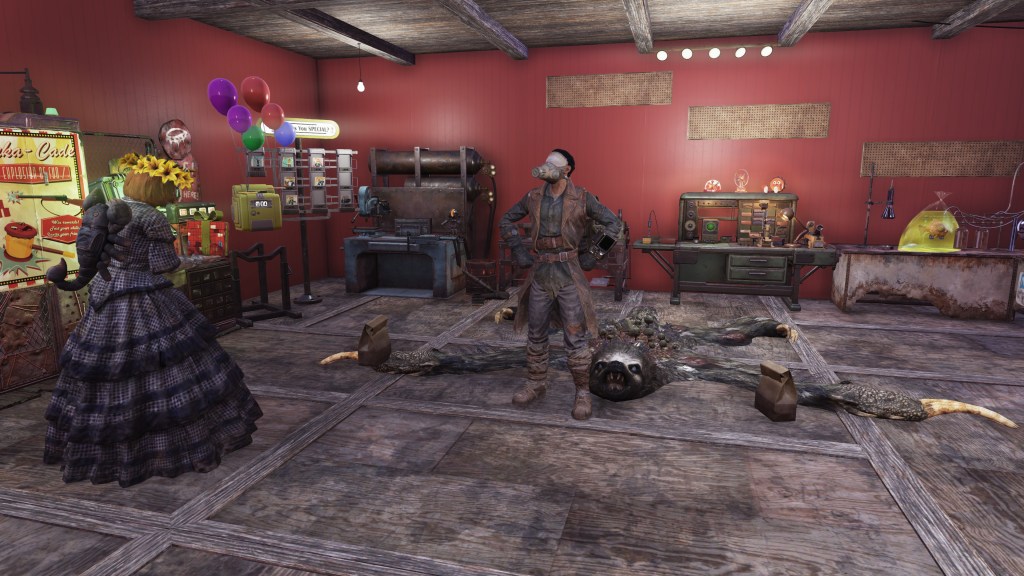
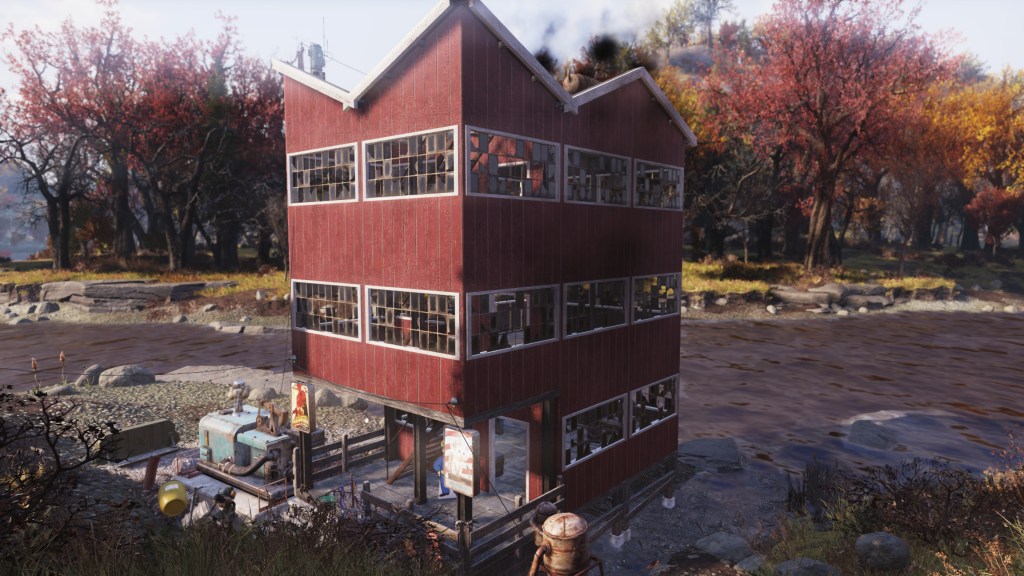
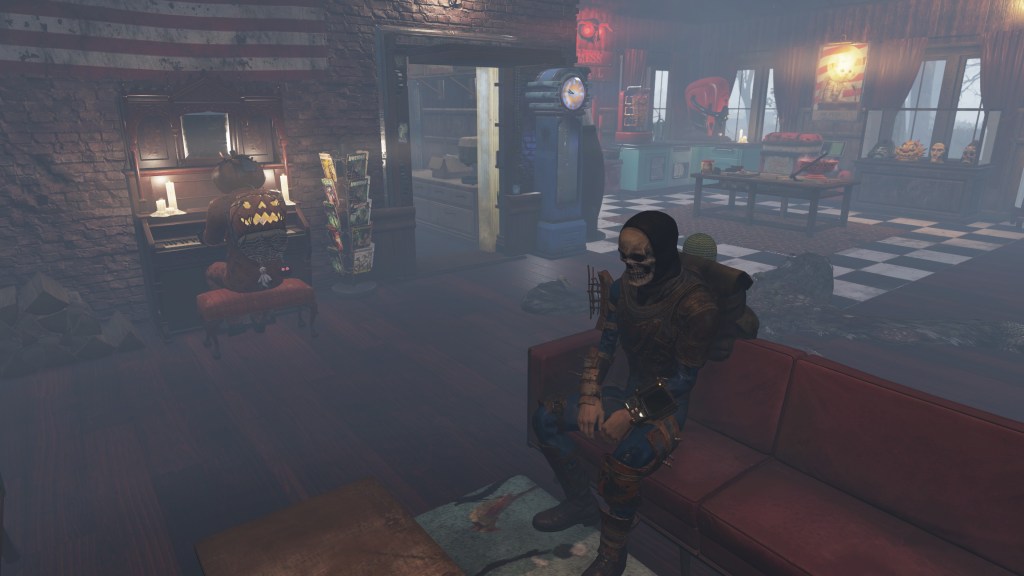
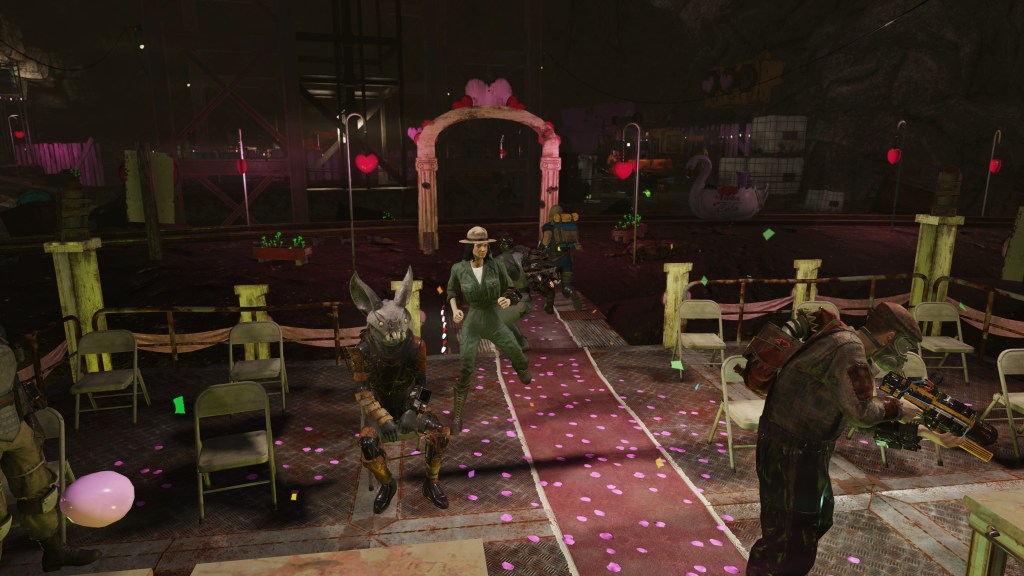
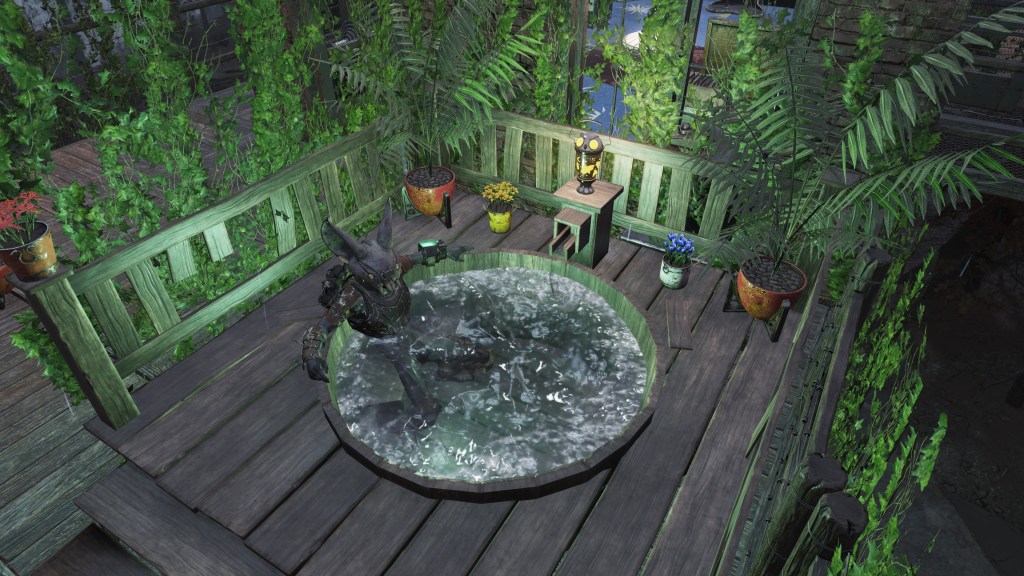
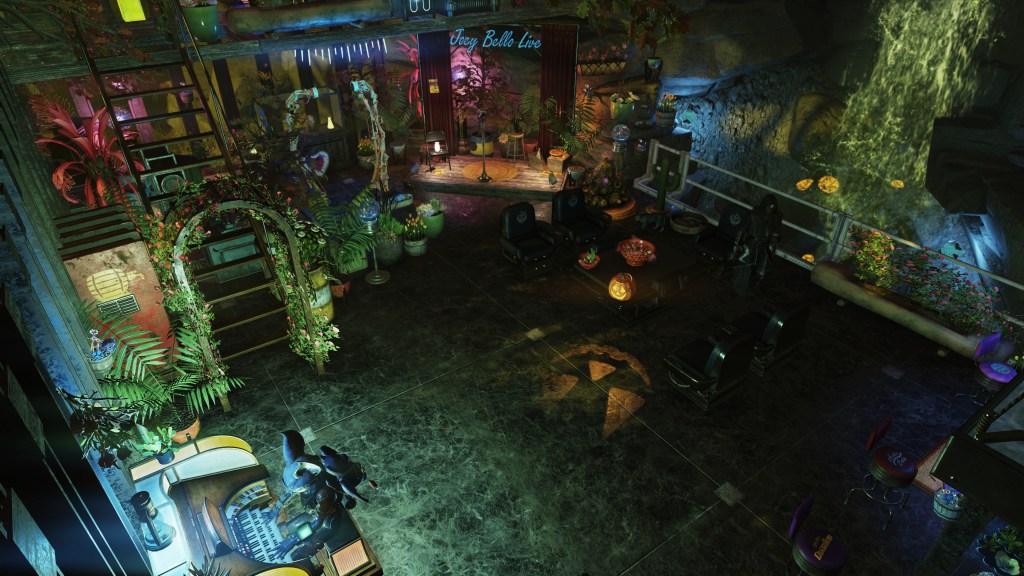
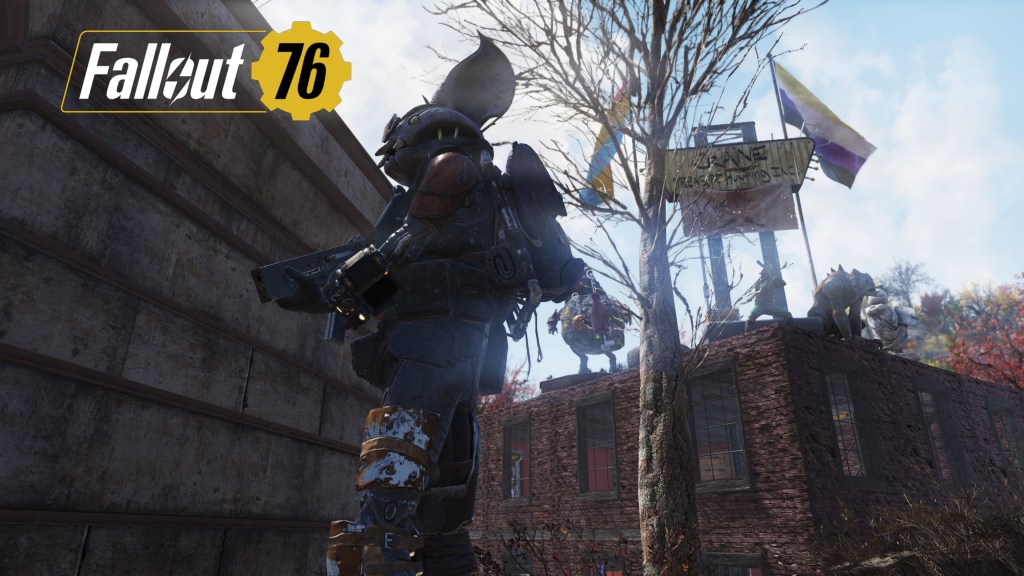
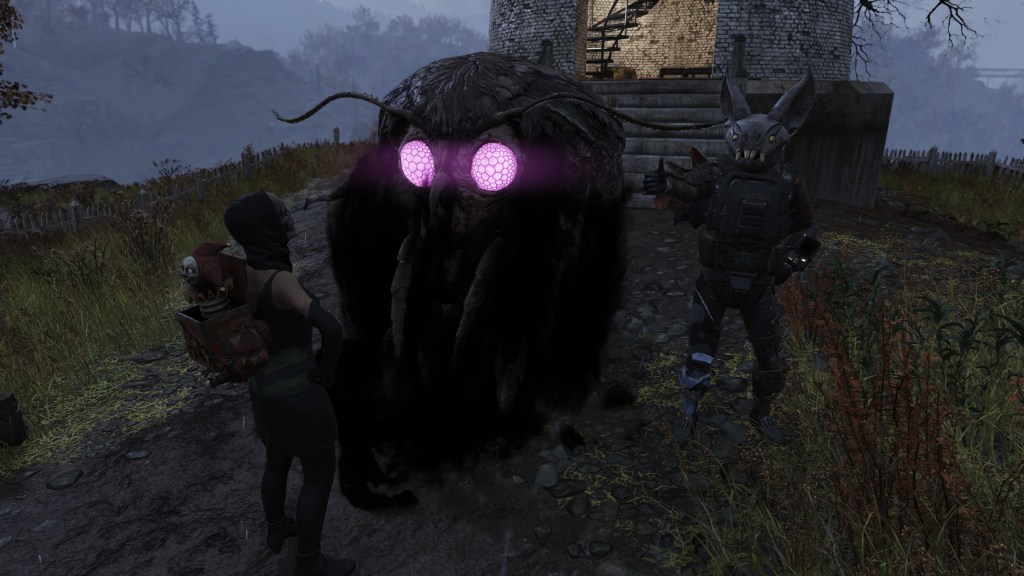


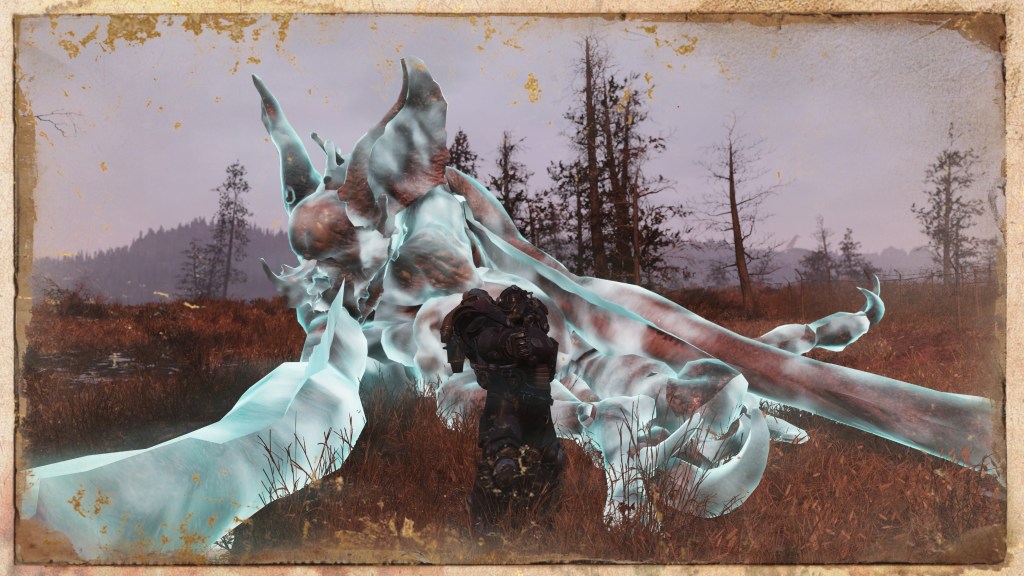

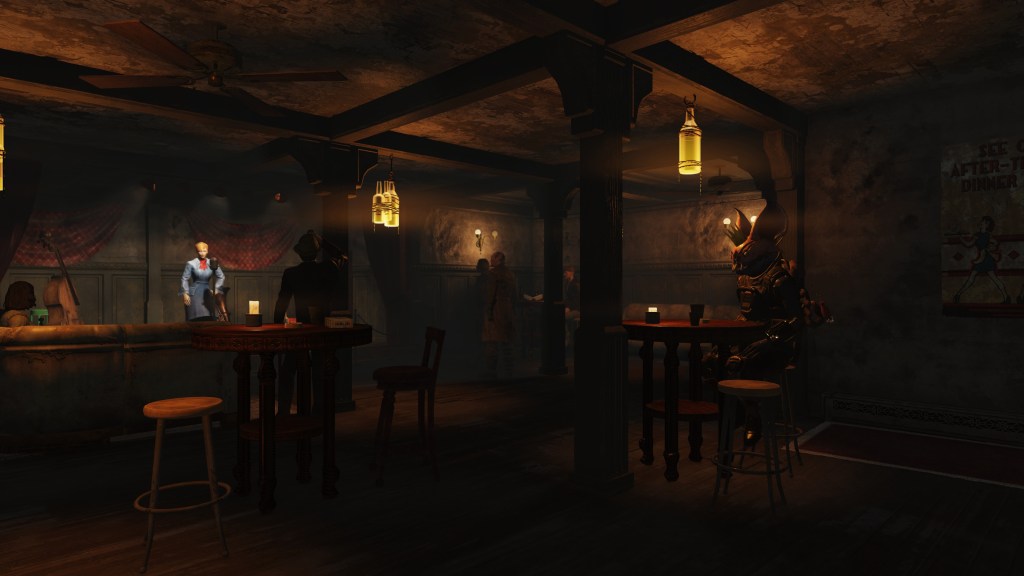
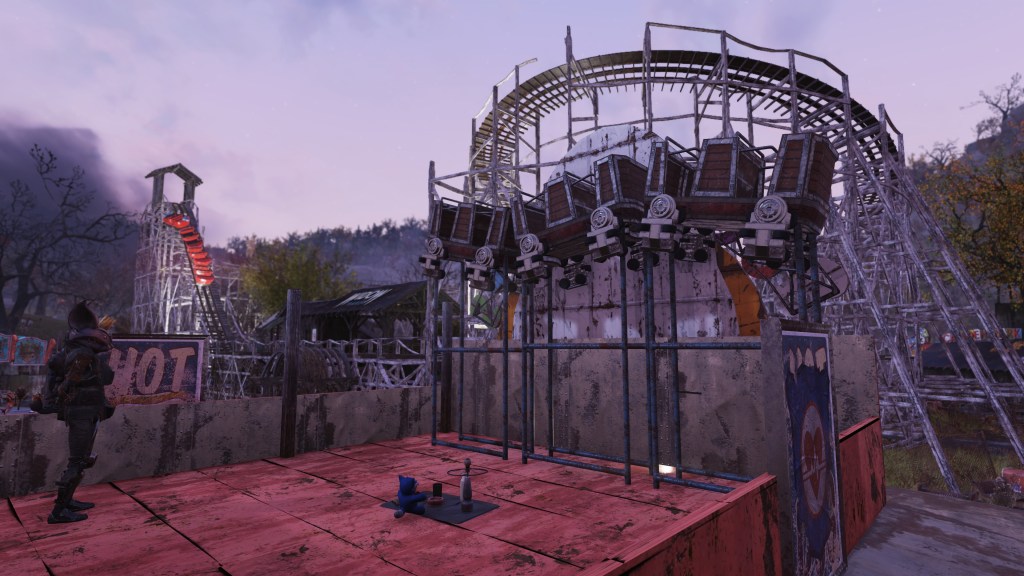
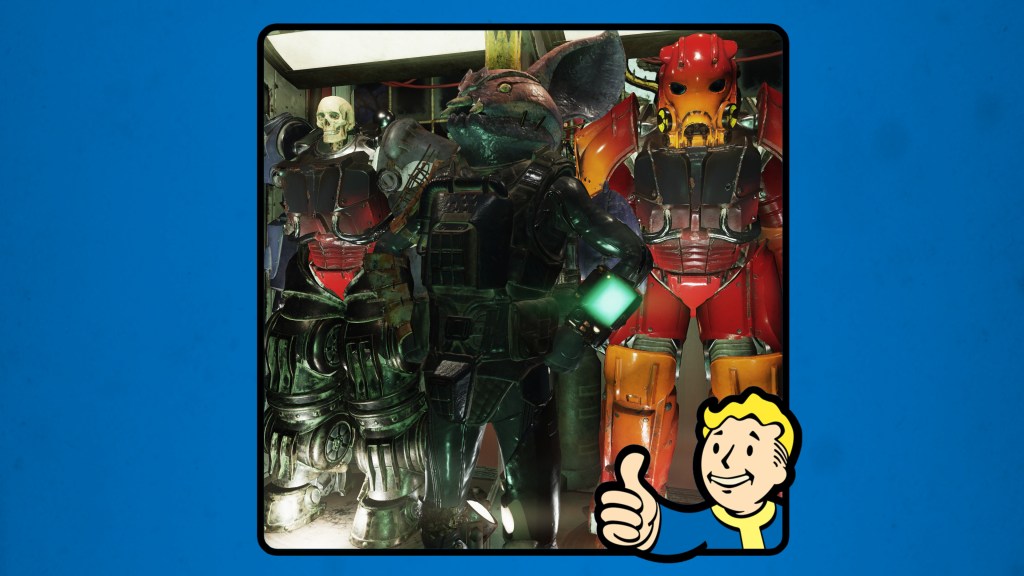
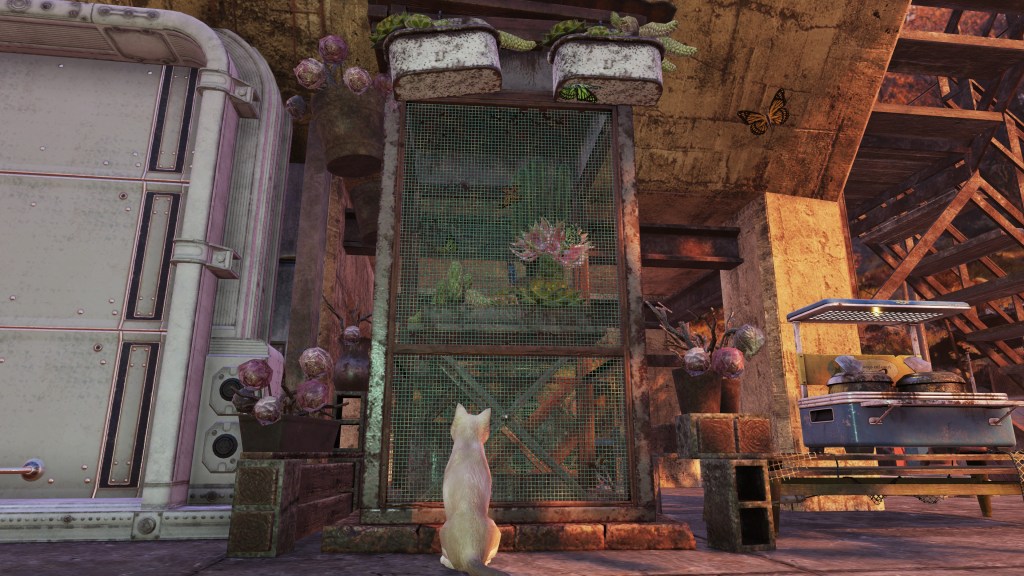
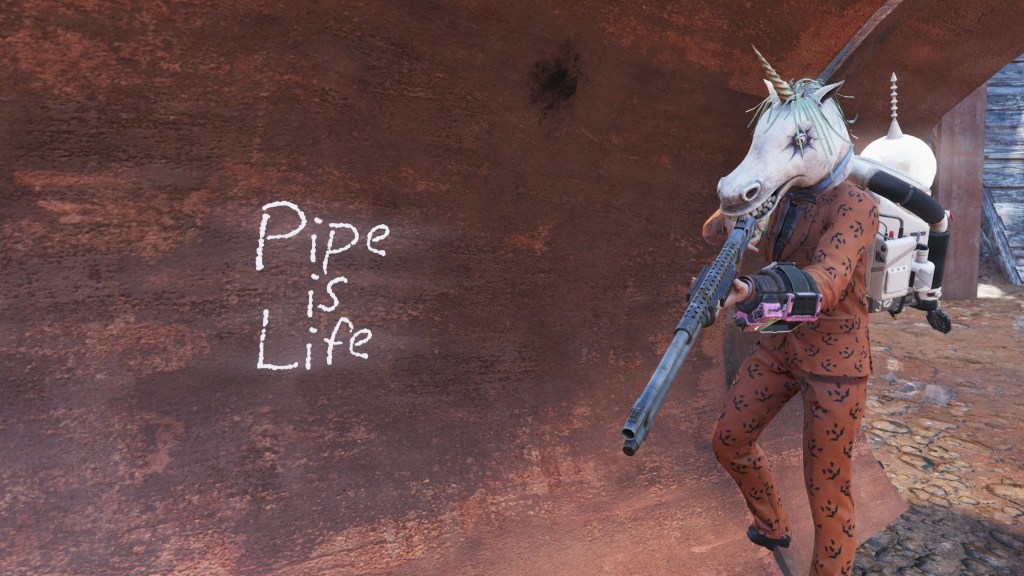
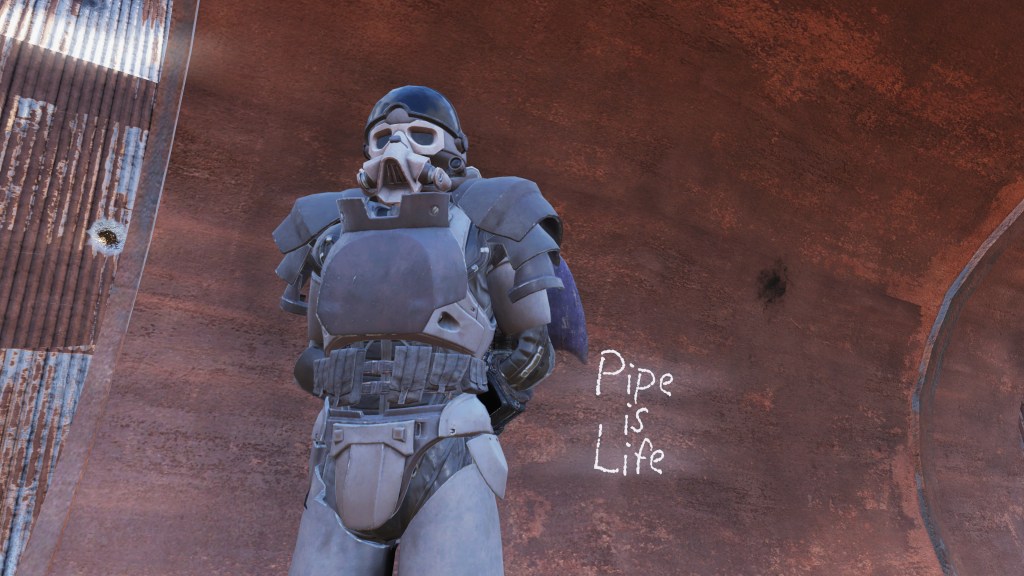
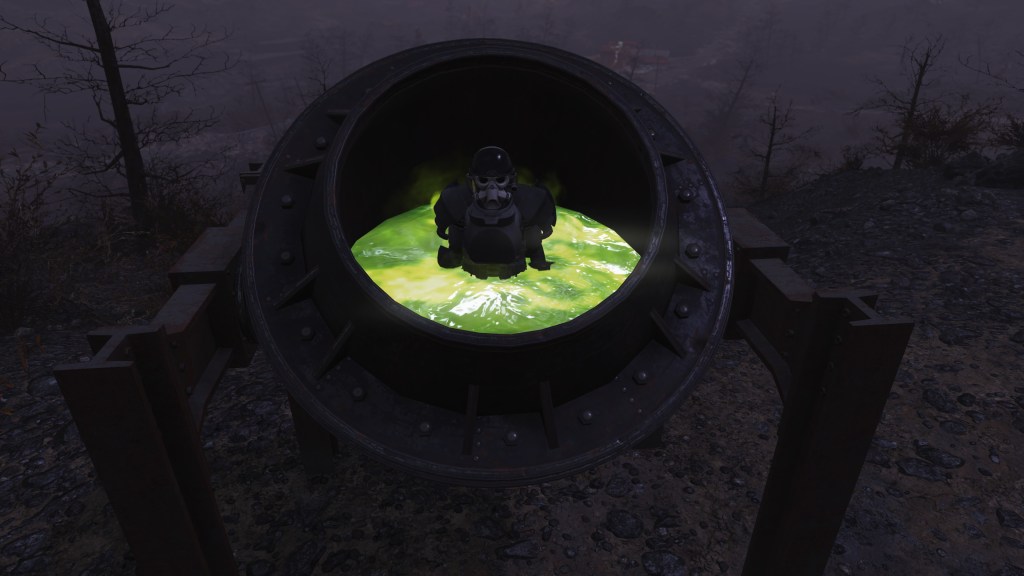
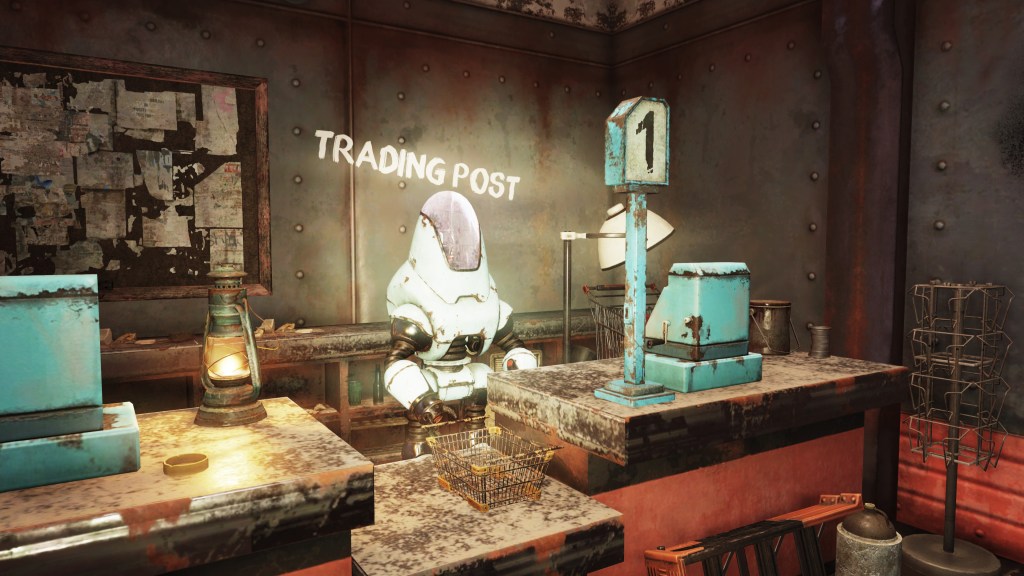
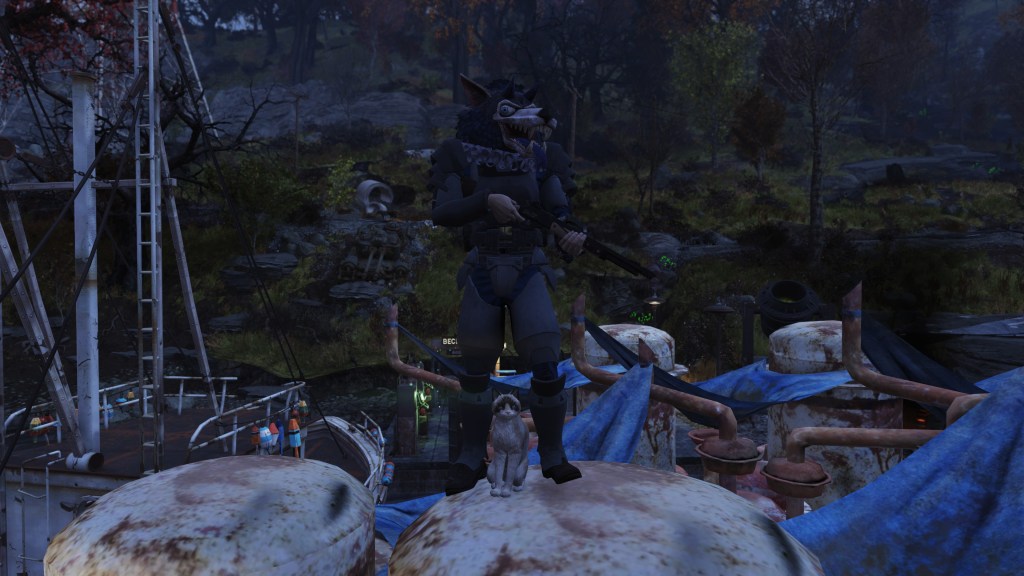
Seven years ago, Fallout 76 launched as one of the most infamous releases in modern gaming. Buggy, empty, and often frustrating, it felt like a bold experiment released far too early. Fast-forward to today. With years of updates, expansions, and now Burning Sands Fallout 76 is almost unrecognizable from its launch version. Not perfect, but undeniably improved, and in many ways, genuinely good.
At launch, Appalachia felt lonely in the worst way. The absence of human NPCs made the world feel static, with terminals and holotapes doing far too much narrative heavy lifting. Over time, Bethesda corrected course. Expansions like Wastelanders and Steel Dawn brought life back into the world, slowly adding npcs that have migrated back into the area with their own quests. Burning Sands builds on that foundation rather than trying to reinvent it. Now, Appalachia feels inhabited. Full of factions, stories, and reasons to explore. The game finally feels like a Fallout world instead of a Fallout-themed experiment.
Burning Sands doesn’t try to shock players with radical changes. Instead, it leans into what Fallout 76 now does best: environmental storytelling, quest-driven exploration, and flexible character builds. The new content fits naturally into the existing map and systems, offering fresh locations, enemies, and challenges without disrupting the flow longtime players have settled into. That restraint is a strength. Rather than feeling like a detached add-on, Burning Sands feels like the next chapter in a world that’s finally confident in what it is.
Combat, crafting, and progression have all been smoothed out significantly over the years. The perk card system had a major overhaul since its initial inception, builds now feel more meaningful. Many small quality-of-life improvements have also helped smooth out some of the experience. Inventory management is still very much a Fallout problem, and I’m guilty of having a Fallout First subscription to alleviate this issue.
The multiplayer aspect, once the game’s most controversial feature, now feels like an optional enhancement rather than a burden. You can team up for events, trade, or just coexist peacefully, but solo players can comfortably experience most of the game without friction. The addition of casual teams is also a great benefit to all, even those that prefer to play alone.
The most impressive thing about Fallout 76 isn’t any single expansion, it’s the long-term commitment to fixing what was broken. Compared to its launch state, today’s version is richer, more stable, and far more enjoyable. Burning Sands is proof that Bethesda understands what players want from this game now: more Fallout, fewer gimmicks. The addition of new events, legendaries, enemies, locations, quests, and items are all welcome additions to the game at this point. I’ve heard some complain about the difficulty of the new enemies in the expansion, but I feel like that’s justified and something people have been asking for. I’ve also heard complaints about a lack of content, which I don’t agree with at all. Bethesda has stated that more content will come to the new area in the future. So at the moment I’m optimistic about the future of Fallout 76. This isn’t the Fallout some fans originally wanted, but it has grown into something worthwhile in its own right.
Fallout 76 in 2025 is a redemption story few games ever get to tell. With Burning Sands, it stands as a reminder that even deeply flawed launches don’t have to define a game forever. If you bounced off it years ago, it’s worth another look. And if you’re jumping in for the first time, you’ll find a Fallout experience that’s finally earned its place in the series. Fallout 76 may have started as a wasteland, but seven years later, it’s a world worth surviving in.
 Critical Mess
Leave a comment